
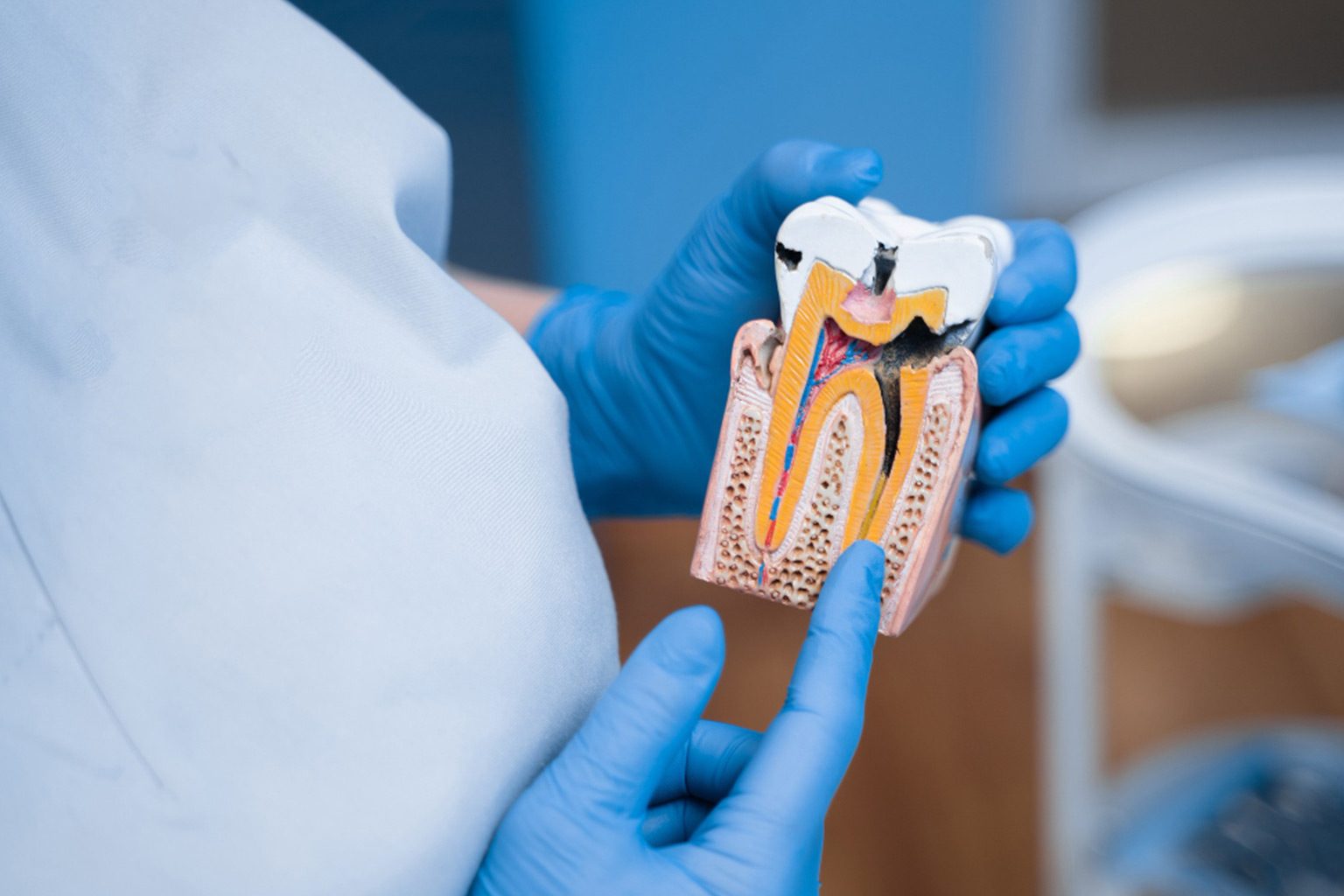
You’ve already made significant progress toward preserving your natural tooth and improving your oral health if you just received a root canal. However, it’s common to be a bit nervous about what will happen next, such as “How long does recovery take?” “Will it hurt afterward?” or “When can I eat normally again?”
Do not be concerned. After a root canal, the majority of patients recover smoothly in a few days with the correct attention and knowledge. In order to guarantee a seamless healing process and long-lasting outcomes, this handbook provides practical care and recovery advice in addition to an explanation of what to anticipate following a root canal treatment.
What Happens Right After a Root Canal
In order to stop additional infection, the infected pulp—the soft tissue inside your tooth—is removed and sealed during a root canal operation. It could take a while for your tooth and the tissues around it to completely settle after the procedure.
You May Feel:
- Numbness: A few hours may pass while the surgery is being performed under anesthesia. To avoid biting your tongue or cheek by accident, wait to eat until the numbness subsides.
- Mild Tenderness: It's normal to feel a little sensitive or uncomfortable around the jaw and treated tooth. Usually, this goes away in a few days.
- Inflammation or Pressure: As part of the natural healing process, the surrounding gum tissue may feel swollen or inflamed.
- Temporary Filling Sensation: Your temporary filling could feel a little different when you chew if your permanent crown hasn't been fitted yet.
The First 24 Hours After Treatment
Recovery from a root canal depends on the first day. Here are some things to anticipate and self-care tips:
Mild Discomfort
When biting or chewing, some pain is quite typical. Your body is still recovering from the inflammation brought on by the infection or the operation itself, which is why this occurs.
Tip: As instructed by your dentist, take prescription painkillers or over-the-counter drugs such as paracetamol or ibuprofen. Aspirin can thin the blood and slow recovery, so avoid using it unless prescribed.
Swelling or Puffiness
A little swelling around the treated area can occur.
Tip: To lessen swelling, apply a cold compress, an ice pack wrapped in a soft cloth, on your cheek for ten to fifteen minutes at a time.
3. PainleDiet and Eating Tips ss Root Canal Treatments
For the first day, limit your diet to soft foods such steamed vegetables, soups, yogurt, mashed potatoes, and smoothies. Foods that are sticky, crunchy, or hard could irritate the temporary filling or cause it to come loose.
Tip: Until the permanent crown is positioned, chew on the other side of your mouth.
Days 2–5: The Healing Phase
You’ll see noticeable progress in a matter of days. Within 48 hours, the majority of patients are able to resume their regular activities and diet.
Pain Should Gradually Decrease
Mild sensitivity and tenderness should start to diminish by the second or third day. Get in touch with your dentist if the pain lasts more than a week; it can be a sign of an infection or bite correction.
Continue Good Oral Hygiene
- Use a toothbrush with gentle bristles to brush twice a day.
- For the first several days, treat the treated region gently.
- Take caution when flossing so as not to upset the crown or filling.
Tip: To calm the gums and avoid bacterial accumulation, rinse twice a day with warm salt water (use ½ teaspoon salt in a glass of warm water).
Return to a Normal Diet Gradually
Your regular diet resumes once the pain and numbness have subsided, but use caution when consuming really hard items like hard candies, ice, or nuts.
Placing the Permanent Crown
In most cases, your dentist will place a permanent crown a week or two after the root canal. This is an important phase because the crown gives your treated tooth its strength, form, and protection back.
The temporary filling acts as a barrier to protect the tooth until that time, but it is not intended to withstand prolonged chewing pressure.
Tip: Don’t neglect or postpone your follow-up consultation. The risk of fractures or reinfection rises if the treated tooth is left uncrowned for an extended period of time.
Common Do’s and Don’ts After a Root Canal
Do’s:
- Observe all post-treatment guidelines that your dentist has given you.
- As directed, take prescription drugs exactly as directed.
- Continue to brush and floss gently.
- Drink plenty of water and eat soft, well-balanced meals.
- To guarantee full recovery, show up for all planned follow-ups.
Don’ts:
- Wait until the tooth has been completely restored before chewing on it.
- Don't disregard sensitivity, swelling, or chronic pain.
- After the procedure, refrain from smoking and drinking for at least 48 hours.
- Crown placement is crucial for long-term success, so don't skimp on it.
How Long Does Recovery Take?
Within three to seven days, the majority of patients totally recover. But each person heals in a unique way depending on:
- The level of infection prior to therapy.
- The root canal's intricacy.
- Your general health and oral hygiene.
It could take up to two weeks to feel completely comfortable if you have complicated anatomy, numerous canals, or a serious infection.
Tip: After a few days, if you have fever, throbbing pain, or swelling, call your dentist right away. These signs could point to an infection that requires immediate medical attention.
Long-Term Care After a Root Canal
With the right care, a tooth that has been effectively fixed can last a lifetime.
Here’s how to safeguard your investment over time:
Maintain Excellent Oral Hygiene
To stop gum disease or decay in the teeth around your teeth, keep brushing and flossing every day.
Visit Your Dentist Regularly
The treated tooth and general oral health are monitored with routine examinations every six months.
Be Mindful of What You Eat
Don’t bite into hard things like pens or ice. If you grind your teeth at night, wear a mouthguard since it can erode both natural and artificial teeth.
Monitor for Changes
See your dentist if, months after the procedure, you have any strange sensations, like swelling or pain when chewing. Complications are avoided with early action.
When to Call Your Dentist
Contact your dentist if you experience:
- Severe or increasing pain after 3–4 days
- Visible swelling in the jaw or face
- Allergic reactions to prescribed medications
- A loose or broken temporary filling
- Persistent sensitivity to temperature
Prompt follow-up ensures quick solutions and prevents reinfection.
Conclusion
A very successful, tooth-saving surgery that removes infection and brings back comfort is a root canal treatment. Even though some post-treatment discomfort is common, appropriate post-treatment care guarantees a speedy recovery and long-lasting effects.
Your treated tooth can continue to function like a natural one for many years to come if you maintain proper hygiene, consume a healthy diet, and schedule follow-up appointments.
Thus, relax for a few days, heed your dentist’s advise, and be happy that your tooth is once again healthy.
Because comfort and trust in your smile are what really come back after every root canal.