
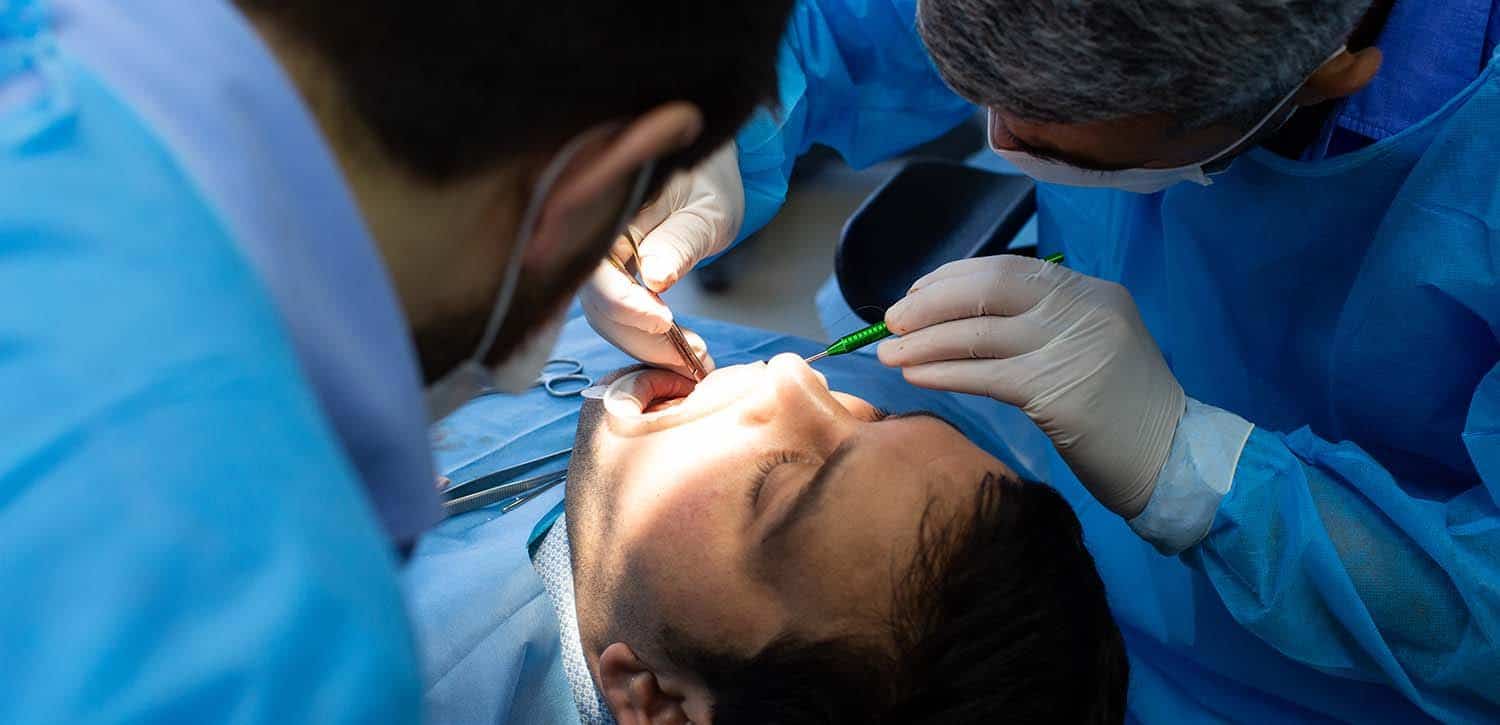
Anyone can stop and think when they hear the words “dental surgery.” And when it comes to dental implants, the hesitation is much stronger. Do implants hurt? Are they dangerous? Is a bridge or something else simpler safer?
These worries are normal. But a lot of them are based on old information, not modern restorative dentistry.
Let’s separate misconceptions from facts and find out what implant treatment really looks like today.
Why dental implants sound scarier than they are
To replace a missing tooth root, dental implants put a titanium post into the jawbone. That sounds bad, and in a way, it is a surgery.
But this is what people typically forget:
Today, competent professionals plan and carry out implant treatment in a method that is quite precise and doesn’t bother the patient too much.
In fact, a lot of people say that the treatment is less painful than having a tooth out.
Myth 1: Getting dental implants hurts a lot.
This is one of the biggest lies.
The truth is that modern implant surgery is done with good local anesthesia. During the surgery, most patients feel pressure instead of pain. After treatment, soreness is usually moderate and can be handled with medicine.
In a lot of cases, the discomfort from a missing or broken tooth is worse than the implant surgery itself.
Myth 2: Implant Treatment Is Dangerous
There is some risk with every medical surgery, but dental implants have one of the best success rates in dentistry, generally above 95% in healthy patients.
The risks go up mostly when:
- Bad oral hygiene
- A lot of smoking
- A lot of smoking There are long-term illnesses, like untreated diabetes
- People don't follow the aftercare guidelines
People don’t follow the aftercare guidelines
Implant risks are modest and easy to forecast if you choose the right case and follow up.
Myth 3: Only Young People Can Get Implants
Just because someone is older doesn’t mean they can’t get implants.
In reality, bone health, gum health, and overall health are much more important than age. Many people in their 60s and 70s have successful implant treatment and get their smiles back for a long time.
Myth 4: The cost of implants means they aren't worth it.
Yes, the cost of implants in India is more at first than that of some other options. But expense needs to be put in context.
A dental implant is
- Replaces both the tooth and the root
- Stops bones from breaking down
- With the right care, it can live for decades
Bridges, on the other hand, may need to be replaced over time. In the end, implants might cost less.
Which is safer: implants or bridges?
People commonly bring up this similarity while talking about choices for replacing teeth.
Dental Bridges:
- Use teeth next to each other for support
- Shorter time for therapy
- No surgery to put in an implant
Dental Implants
- Stand alone
- Keep your jawbone healthy
- Don't hurt the teeth next to it
Neither choice is “unsafe.” Not fear, but your own anatomy, oral health, time, and budget will help you make the best choice.
What makes implant treatment safer these days?
Because of current restorative dentistry, taking care of implants is very different now:
- Digital photos for exact planning
- 3D imaging to stay away from nerves and sinuses
- Putting in implants with aid
- Better surfaces made of better materials and technologies
These changes make things easier and help individuals get better faster.
Who Needs to Be Careful with Dental Implants?
If you need implants, you may need to plan extra or find other options.
- The density of the bone is relatively poor.
- Gum disease is active right now.
- There is no control over medical issues.
This is why the first step in a good implant treatment guide is always examination, not surgery.
The Real Risk: Not Getting Treatment
Not doing anything is a risk that people often forget about.
Not having teeth can cause:
- Loss of bone
- Moving teeth that are close by
- Problems with biting
- Less effective chewing
It doesn’t matter if the answer is an implant, a bridge, or something else; getting therapy on time is important.
Final Thoughts: Are Dental Implants Really Dangerous?
Dental implants are safe, predictable, and very successful for most patients when done right. People are generally afraid of them because of myths, not medical truths.
The idea is not to choose implants without thinking. It’s about completing research and then choosing the best way to replace a tooth.
Taking care of your teeth isn’t only about avoiding surgery; it’s also about getting your comfort, function, and confidence back in the safest way possible.