
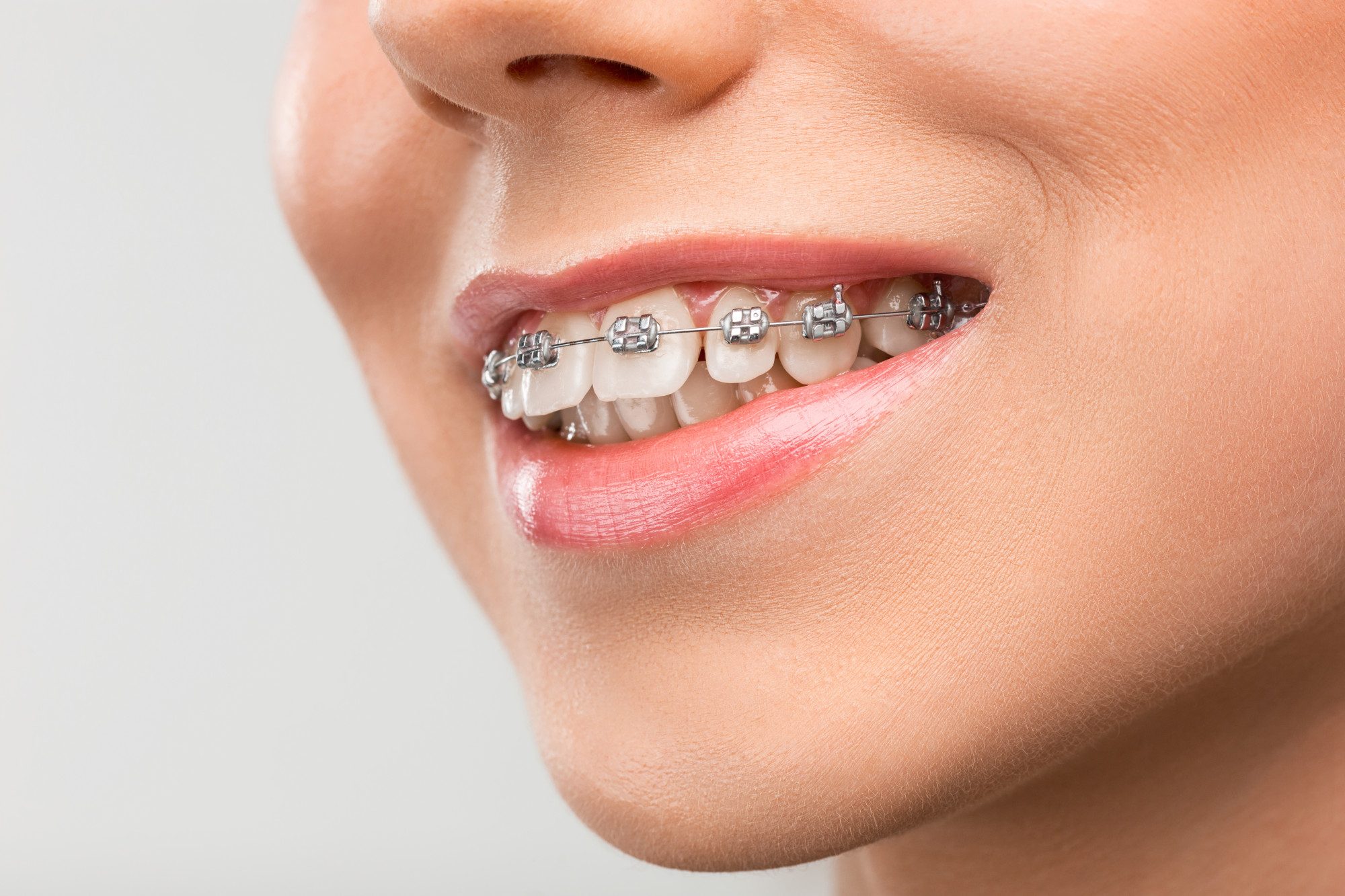
Plenty of people reach their thirties or forties still unhappy with a crooked front tooth, and assume the chance has gone. It hasn’t. Adult orthodontic treatment is far more common than most people think, and age by itself rarely rules anyone out.
What matters more is the health of your teeth, your gums and the bone holding them. Get that checked, and the rest is a conversation with your orthodontist.
Is There An Age Limit For Orthodontic Treatment For Adults?
No fixed one. Groups like the British Orthodontic Society say teeth can be moved at any age as long as the gums are healthy, so orthodontic treatment for adults is a real option, not a long shot.
The difference is growth. In children the jaw is still developing, so some of that growth can be guided. In grown-ups the jaw has settled, and adult orthodontics works mostly on moving the teeth themselves. Slightly different plan. Same basic idea.
Why Do Grown-Ups Look Into Orthodontic Treatment?
Reasons vary a lot. A few that come up often:
- Crowded teeth that overlap and trap food, making flossing a daily fight
- Gaps that have always been there, or ones that opened up later
- An overbite, underbite, or crossbite that makes biting into certain foods awkward
- Teeth that drifted after braces years ago, usually because the retainer quietly went missing somewhere
Any of these is a fair reason to get orthodontic treatment looked at. Nothing needs to be “bad enough” first.
What Can Adult Braces Actually Change?
Somewhere between a fair amount and a lot. Plaque doesn’t have as many places to hide when your teeth are straight. It can feel more even to chew if your bite fits better. Plus, some people just smile more afterward.
Adult braces aren’t a fix for everything, mind you. Results depend on the original problem and how closely the plan is followed, and a good orthodontist will be upfront about what is realistic.
Braces For Adults: Which Type Suits You?
There is more choice now than the old metal-mouth image suggests. The right one comes down to how complex the problem is, your daily routine and what you feel comfortable wearing.
Metal Braces
Brackets are fixed to the teeth, joined by a wire and adjusted at regular visits. Still the workhorse of braces for adults, they handle a wide range of problems. Cleaning around them takes some patience.
Ceramic Braces
Ceramic braces work the same way, but the brackets are tooth-coloured or nearly clear. A lot of working professionals pick them for meetings and family photos. You can read a general overview of ceramic braces and other bracket types if you are curious. They still need adjustments and careful brushing.
Lingual Braces
Lingual braces sit behind the teeth, so most people won’t spot them. Your tongue will, though. Speech can feel a little odd for the first few weeks, and the planning takes extra care. So lingual braces are worth asking about, rather than assuming they suit every case.
Clear Aligners For Adults
Clear aligners for adults are removable trays, changed every so often, each one nudging the teeth a little further. You take them out to eat and brush. Discipline is the real price here: they only work when worn for most of the day. Our page on clear aligners for adults explains who they tend to suit.
How Long Does Adult Braces Treatment Take?
Hard to give one number. Adult braces treatment can run from around a year to a couple of years, sometimes longer. It depends on how much movement is needed, the appliance you choose, how your teeth respond, and whether appointments are kept. The NHS guide on orthodontic treatment also notes that timings differ from person to person.
What Are The Risks Of Adult Orthodontics?
Like any dental work, there are some. Plaque builds up easily around brackets and trays, which can lead to decay, sore gums or white marks on the enamel. You might feel tender for a few days after fittings. In some people, the gums pull back slightly, or the roots shorten a little. And teeth can drift back later on.
Gum problems need sorting before any teeth are moved. That’s why the check-up comes first.
What To Sort Out Before Adult Orthodontic Treatment Starts
Before anything begins, the dentist will usually want to:
- examine your bite, teeth and gums properly
- take X-rays or scans if the roots and bone need a closer look
- Treat decay, gum inflammation or an infected tooth first
- talk you through options, rough timelines and the full cost, retainers included
Toothache in particular should be checked out before braces go on.
Why Retainers Matter After Treatment
Taking braces off isn’t the finish line. Teeth like to wander back towards where they started. Retainers, fixed or removable, hold them in their new place, and wearing them as advised is what keeps all that effort from slipping away.
Frequently Asked Questions
-
Q1. Is 35 too old for adult orthodontic treatment?
No. Suitability depends on your gums, bone and the type of problem, not the number on your birthday cake. -
Q2. Are clear aligners better than braces for adults?
Neither is better for everyone. Aligners suit some cases, while fixed braces handle a wider range. -
Q3. Can I get braces if I have gum disease?
Active gum disease is usually treated first. After that, treatment with closer monitoring may be possible. -
Q4. Is adult orthodontic treatment only cosmetic?
Not at all. Crowding, gaps and bite problems can affect cleaning and chewing too.
Getting Orthodontic Treatment In Vizag
Thinking about orthodontic treatment in Vizag but unsure where you stand? One consultation usually answers more than weeks of reading online. At Sri Satya Dental Hospital in MVP Colony, Dr Bhanu Rekha, our MDS orthodontist, looks at your teeth, gums and bite first, then explains whether braces, aligners or something else fits your adult orthodontic treatment plan.
You can read more about our approach to orthodontic treatment in Vizag or simply call to book a visit. At Sri Satya Dental Hospital, your age is just one small detail on the chart.