
What Are the Phases of the Dental Implant Procedure?

You are currently viewing What Are the Phases of the Dental Implant Procedure?

A missing tooth may have a drastic impact on your life. From denting your confidence to limiting your social life, it may make you a completely different person from the inside out. This change can take a toll on your work life, personal relationships, etc. Have you stopped eating certain foods or felt embarrassed while laughing or talking because of that missing tooth? Now is the right time to consult a dentist for a dental implant.

What Is a Dental Implant?

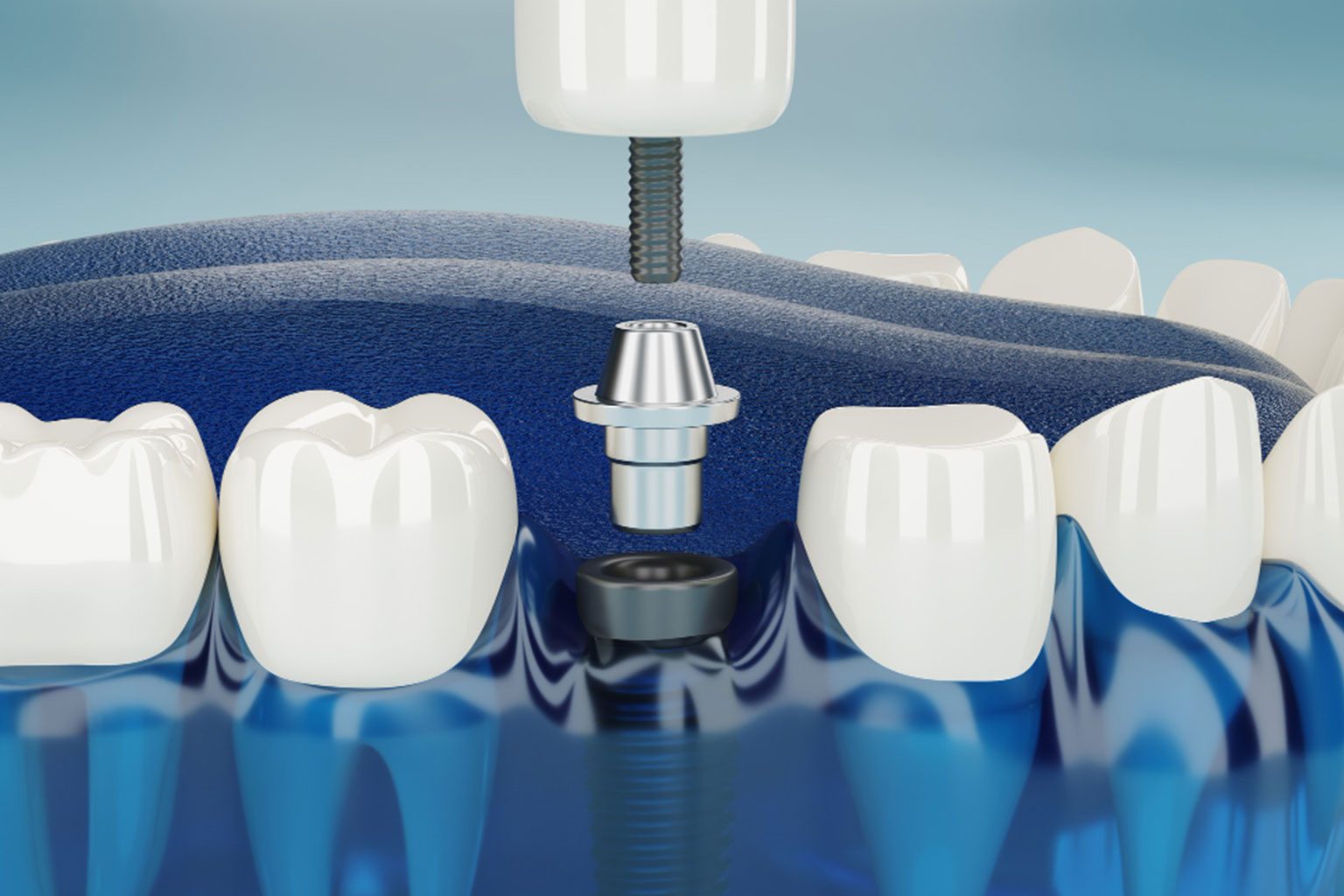
A dental implant has three main parts-
This blog helps you understand the dental implant procedure.

Steps of the Dental Implant Procedure

Getting a dental implant in Vizag is done in planned stages. Each stage ensures that the result is strong, secure, and natural-looking.

Consultation & Examination

The first step is a full dental check-up. The dentist will examine your teeth and gums, take X-rays or scans, and check your jawbone health. They will also talk through your medical history and any concerns you have. This is when you can ask questions and understand your options. This first meeting is reassuring for many people because it gives a clear picture of what will happen next.

Treatment Plan

After the examination, the dentist will create a plan that covers the number of implants needed, the type of tooth replacement, and the time it will take. This stage is important for setting expectations and avoiding delays. Patients often feel more confident knowing exactly what the process will involve.

Tooth Removal When Required

It must be removed if you still have a damaged or decayed tooth in the area. This is done under local anaesthesia to ensure your comfort. In some cases, the implant can be placed right after removal. In other cases, the area may need time to heal before proceeding.

Bone Grafting When Needed

The dentist may suggest bone grafting if the jawbone is too thin or soft to hold an implant. This involves adding bone material to strengthen the area. Without enough bone, the implant could become loose over time. While bone grafting may add a few months to the process, it gives the implant a much stronger base.

Implant Placement

The next step is the surgery to place the titanium post into your jawbone. The dentist makes a small opening in the gum, prepares the bone, and places the implant. The gum is then closed with stitches. After this, you’ll be given instructions for care and healing.

Healing & Bone Fusion

The healing stage is when your bone grows around the implant in a process called osseointegration. This can take a few months, but it’s the reason implants are so strong. During this time, the implant becomes part of your jawbone, giving it the stability needed to hold a crown. You may wear a temporary tooth to eat and speak more easily during this stage.

Attaching the Abutment

Once the implant is secure, the dentist places a small connector piece called an abutment. This is what the crown will attach to. Sometimes, this step is done at the same time as the implant surgery, but often, it is a separate visit. The gums will heal around the abutment to create a natural shape.

Placing the Crown

The final step is fitting the custom-made crown. The crown is designed to match your natural teeth in shape, size, and colour. Once attached to the abutment, it blends in perfectly and works like a natural tooth. Many patients say this is when they feel like they have their smile back.
The number of steps involved in getting a dental implant can seem daunting at first. But each phase has a purpose, from checking bone health to making sure the crown looks and feels right. Understanding the process can ease anxiety, help you prepare for healing time, and give you realistic expectations for the results.

A dental implant in Vizag can give you back more than just a complete smile. It can improve how you eat, talk, and feel about yourself. The process takes time, but each step is worth it for a secure and natural result. If missing teeth affect your daily life, speaking to an experienced dentist can be the first step toward restoring comfort and confidence.